
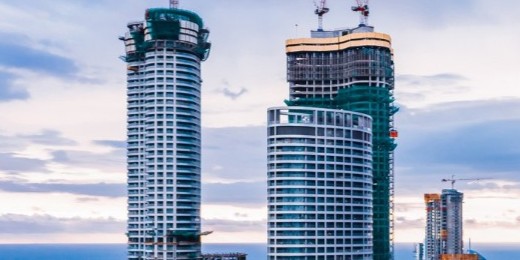
For years, Panvel and Ulwe were mainly discussed as residential growth markets. That is now changing. With Navi Mumbai International Airport operational and regional connectivity continuing to improve, attention is increasingly shifting toward commercial real estate—including retail, offices, hospitality, healthcare, food and beverage, professional services and logistics. The focus is no longer only on where people will live, but also on where they will work, shop, eat, stay and conduct business.
What Is Driving Commercial Demand?
Airport-led activity: Retail, hospitality, passenger services, aviation support and logistics can create new business opportunities around the airport.
Growing residential population: As more people move into Panvel and Ulwe, demand for supermarkets, cafés, clinics, gyms, banks and everyday services can increase.
Better connectivity: Atal Setu, rail, metro and planned road projects are improving access across Navi Mumbai.
Logistics growth: Proximity to JNPA and expanding airport cargo infrastructure could support warehousing, freight, courier and transportation businesses.
Wider business ecosystem: Commercial development can connect residential communities, transport infrastructure, logistics and employment into a more complete urban economy.
Panvel and Ulwe Offer Different Advantages
Ulwe benefits strongly from its proximity to the airport and improved connectivity toward Mumbai, making it attractive for neighbourhood retail, hospitality, food businesses and professional services. Panvel, on the other hand, has a broader advantage because it connects Mumbai, Navi Mumbai, Pune, JNPA, the airport and surrounding industrial and residential corridors.
What Investors Should Consider
Commercial property should not be evaluated only on airport proximity. Factors such as road frontage, visibility, footfall, parking, accessibility, surrounding population, rental demand and suitable business use can make a major difference. The growth of Panvel and Ulwe creates opportunities, but the strongest commercial locations are likely to be those where infrastructure, population and actual business demand come together.